
Coursework @ SBE | Undergraduate
Welcome to the BSSBE Curricula
The Bachelor of Science in Sustainability and the Built Environment (BSSBE) offers an interdisciplinary degree path for students interested in the global context of a vibrant and humane planetary presence. Our SBE controlled curricula includes a mix of core required courses, field experience courses, and optional elective courses.
Beyond the our SBE courses, BSSBE Majors have an opportunity to select from a curated set of general and clustered electives. These optional courses complement the breadth of knowledge and skills prominent within the SBE courses by concentrating on specialized content that adds depth in targeted topics tailored to each student’s unique interests and career pathway.

Courses Controlled by SBE
Core Required Courses
The following SBE controlled core courses are required for all BSSBE Majors and must be completed with a C grade or higher.

DCP 1241 introduces the fundamental concepts of spatial, temporal, and systems thinking that inform the planning, design, construction, occupancy, and management of built environments along the natural-to-urban transect. Concepts are considered through the frameworks of sustainability, heritage conservation, and community resilience to better comprehend and cope with the challenges of accelerating change in the Anthropocene.
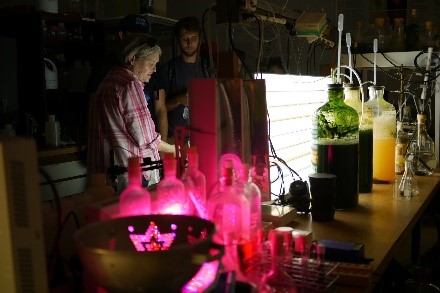
DCP 3200 summarizes the forms, functions, frameworks, and scholarly opportunities underpinning the SBE academic journey from matriculation to graduation and careers beyond. Foci include the SBE culture and curricula, the critical thinking process, the scientific method, and research design, with an emphasis on approaches pertinent to SBE allied professions. Students will learn to evaluate and rebut claims, develop a report management strategy, design a research protocol, gather and analyze data, and communicate with diverse stakeholders in a student-centered approach.
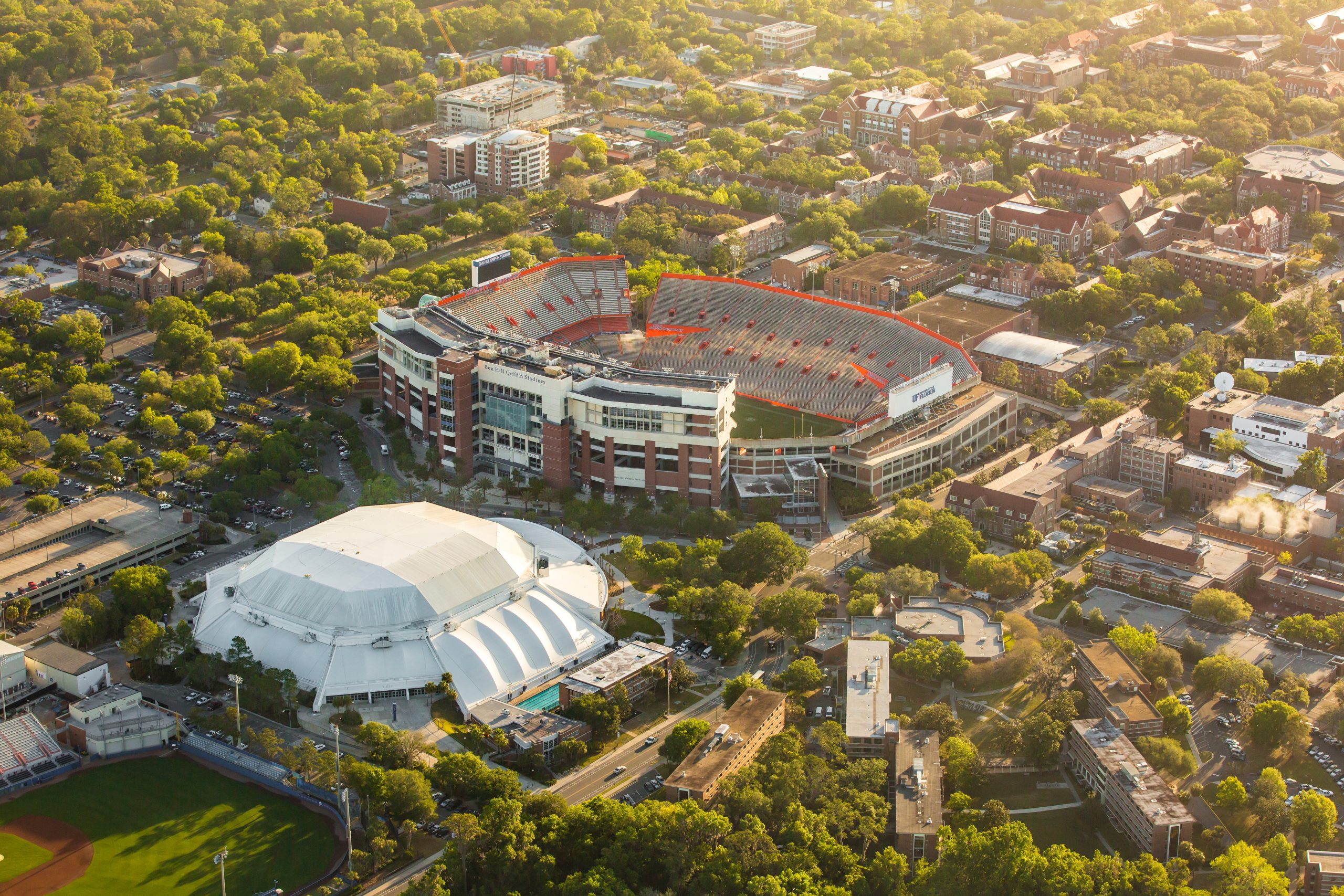
DCP 3210, a “survey-style” course, broadly explores how sustainability can be pursued across full-transect built environments … from supply-side problems and solutions in the energy, water, land, food, and capital resource domains … to demand-side problems and solutions in our buildings, landscapes, and transportation infrastructure and technologies.
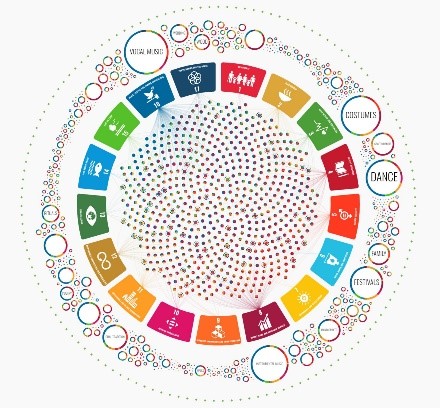
DCP 3220 explores the human users of the built environment in the pursuit of more sustainable and just ways of living and relating in an age of accelerating change. The course also examines the rights, roles, rules, and responsibilities empowering the structural systems of society, as well as the patterns of learned and shared values and behaviors, that are iteratively and cumulatively transmitted across groups and generations, through tangible and intangible forms of enculturation in the ethnosphere (collective lifestyles) and the emerging noosphere (collective consciousness).
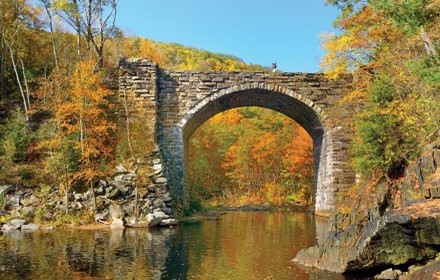
Like the keystone of a masonry bridge, an apex block which fully integrates the strength of the arch, DCP 4290 challenges SBE students to ideate and embark on a degree culminating research project demonstrating their knowledge and skills learned over the duration of their academic studies in the program. Facilitated by a mentor, this course also nurtures the bridge-building mindset that comes with a student’s realization of their own interdependence with the environments, people, cultures, and economies around them. Course deliverables include a Midterm Presentation, a Three-Minute Capstone (3MC) speech, an Academic Poster, and a 8,000 word research report.
Experiential Learning Courses
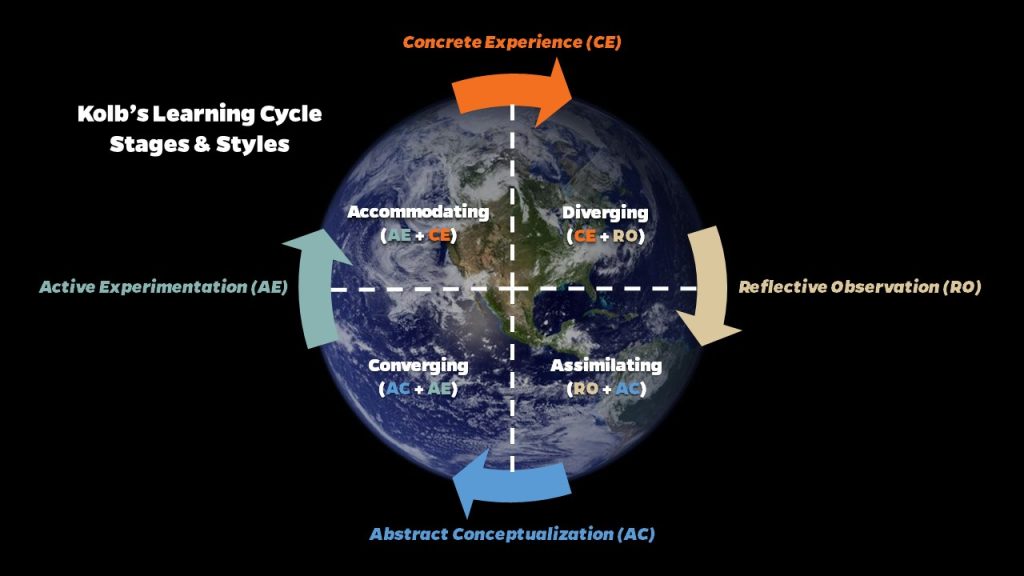
The BSSBE Major requires all students to complete six credits of experiential learning within one of three optional pathways. While there are many theories of learning, Kolb’s Learning Cycle describes a four-stage, four-style integrated process of experiential learning. Across the University of Florida, experiential learning is framed across seven categories. More complete explanations of each category, as well as resources to identify student opportunities can be found on the How To Gain Experience portal of the UF Career Connections Center.
- Community-Based Learning
- Creative & Entrepreneurial Works
- Internship, Co-Op & Work-Based Learning
- Global & Sociocultural Learning
- Professional Exploration & Development Experiences
- Leadership & Involvement
- Research
Option 1: Internships & Volunteering
Students conducting SBE related internships and/or volunteering with mission-aligned organizations (e.g., GatorsCorp, Community Weatherization Coalition) should pursue the DCP 4942 credits based on the hours that will accrue over the duration of the experience. Please see the Student Resources page for a downloadable form you can use to register for DCP 4942.

The DCP 4942 course provides students with a unique experiential learning opportunity through internship with an institutional sponsor addressing challenges of sustainability and the built environment. The specific sponsor and their institution may be self-selected by an SBE student or through placement in any other approved competitive internship opportunities. The number of credits applied to this course are specific to the number of hours of experience accrued, with one credit for every 50 hours.
“Experiential learning engages students beyond the classroom and provides practical insight into world readiness while building knowledge and skills and establishing professional connections. Experiential learning encompasses a wide variety of enriching opportunities for students, including service learning, faculty-led research, study abroad, student employment, cooperative education, and internships. When engaging in these applied experiences, students can reflect on their unique value to the world of work and gain confidence in their career direction.”
Option 2: Study Abroad
Any of the UF Abroad programs hosted by the the UF International Center (UFIC) may be used to fulfill the BSSBE experiential learning requirement. While students will work through UFIC to apply and complete these study abroad programs, the affiliated academic credits can serve to replace the DCP 4942 course within your degree audit. The SBE Global Education page has more information about the global learning opportunities best suited to the DCP disciplines.
Option 3: Practicum Style Courses
The following SBE controlled courses are also approved options for the experiential learning requirement for all BSSBE Majors. Additional experiential learning opportunities may be available from other sources and formats, such as relevant hands-on courses within the Gulf Scholars Program. You may inquire with the DCP Advisors to see if alternative courses qualify.
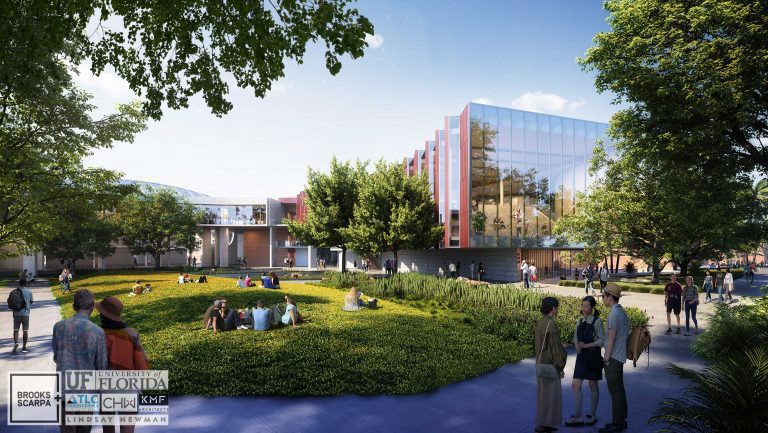
This is a multidisciplinary course, in which students are introduced to green strategies and technologies for the design, construction and operation of high-performance buildings. The DCP 4214 course is designed to equip students with the skills and knowledge needed to be effective communicators, critical thinkers, project managers, problem solvers, and team players. Students learn the strategies for greening new construction and the need to continue through operation with applying green building rating systems principles and framework of Leadership in Energy and Environmental Design (LEED™). Students will understand the alignment of the United Nations Sustainable Development Goals (UN SDGs) with green building strategies. Each semester, a UF campus building is used for the class project and hands-on learning. Successful course completion can prepare the student for LEED™ V4 Green Associate (GA) and Accredited Professional (AP) credential exams.

The salutogenic model of health provides a rubric for evaluating contextual factors that contribute to human physical and mental wellbeing. When applied to the design of the built environments, it can serve as a lodestar for ensuring that settings for working, healing, learning, and living are optimally supportive of the health of humans inhabiting them. A viable method for operationalizing salutogenesis in building design is understanding and applying valid sustainability and human wellness design benchmarking systems such as WELL Building Institute standards. The DCP 4216 course is a hands-on learning lab which uses WELL v2 to increase student competencies and skill in integrating principles design for Buildings that promote human resilience and environmental sustainability. These labs, co-taught by UF Sustainability and the Built Environment and Interior Design department faculty, facilitate learning for a cross-section of DCP students through pedagogical instruction and hands-on application in an actual built environment. These Learning Labs prepare students with the critical abilities needed to be effective communicators, critical thinkers, project managers, problem solvers, and team players in designing human-centered built environments. This learning lab also offers a body of knowledge basis and pathway for students pursuing WELL Accreditation.
Optional Elective Courses
The following SBE controlled elective courses are optional and approved for all BSSBE Majors.
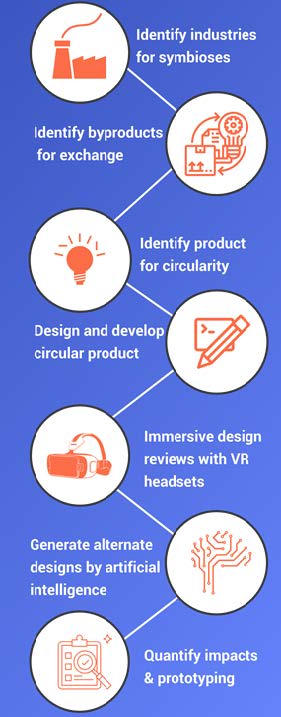
This interdisciplinary course enables students to learn about the key principles of
circular economy and how they differ from the traditional linear economy. They
will also explore case studies and real-world examples of circular economy
practices and strategies, and learn how circular economy can be implemented in
different industries and sectors. The DCP 4224 course includes a combination of lectures,
readings, and group projects. The course is designed to encourage critical thinking
and problem solving skills, as well as a deep understanding of circular economy
concepts and practices.

This course provides an in-depth understanding of Life Cycle Analysis (LCA) and its applications in the built environment. Students will learn to evaluate the environmental impacts of building materials, construction processes, and building operations from an LCA perspective. The DCP 4226 course emphasizes the importance of LCA in promoting sustainable building practices and decision-making. This is a co-listed course, and two levels (graduate and undergraduate) are included in the same classes.
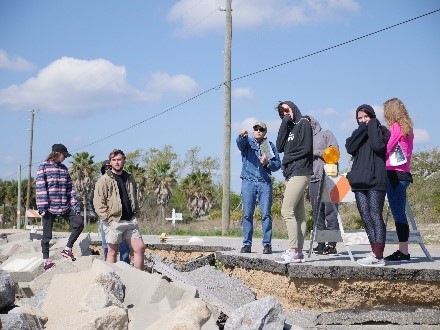
In the midst of the Anthropocene, humanity is the dominant force of a rapidly changing Earth. Leveraging the Wayfinder process guide for resilience assessment, planning, and action in social-ecological systems, the DCP 4244 course explores the art and agency of play while showcasing strategies for building adaptive capacity and transformative change as we navigate towards more sustainable, safe, and just futures…together. Within team environments, students develop, deploy, and peer-play resilience-themed, tabletop strategy games.
This course in the sustainability program explores the economic principles and practices that inform the built environment’s sustainability efforts. Students will analyze the intersection of economic, social, and environmental factors influencing the design, operation, and maintenance of built environments, and develop key skills in assessing economic viability, measuring social impact, and prioritizing environmental concerns. This is a co-listed course, and two levels (graduate and undergraduate) are included in the same classes.
Required Courses Beyond SBE
Critical Tracking records each student’s progress in courses that are required for progress toward each major. Please note the critical-tracking requirements below on a per-semester basis. Equivalent critical-tracking courses as determined by the State of Florida Common Course Prerequisites may be used for transfer students.
Approved Elective Courses
Required Course Clusters
The BSSBE degree pathway offers students considerable freedom of choice in a variety of 1000 through 4000 level courses taught across a multitude of UF academic units. However, all BSSBE Majors are required to take at least one 3-credit course from a each of a curated set of five elective clusters.
Alternatives may be considered on a case-by-case basis. If a course has not been available in recent semesters, then TBD will appear under the Typical Term(s) column. This list was last updated in March 2026.
Please note that (tentative) denotes approved courses being evaluated to move from open elective status into a required course cluster while (under consideration) denotes courses being evaluated for their potential relevance but not officially approved yet. We welcome students sharing information about interesting new courses to consider and/or existing courses in need of updating on this webpage.
Additional Open Electives
Beyond the approved courses curated in the required five elective clusters, students are encouraged to consider other courses from the DCP disciplines (ARC, BCN, IND, LAA, URP) and these other approved open elective courses. Any course not controlled by the SBE program may have limited access due to priority seating for students in those respective majors or minors.
Unlisted courses may be considered on a case-by-case basis. If a course has not been available in recent semesters, then TBD will appear under the Typical Term(s) column. This list was last updated in March 2026.
Suggested Minors & Certificates
As a way to improve career preparation and employer recruitment, students Majoring in Sustainability and the Built Environment (SBE) are encouraged to cluster their approved and open electives into targeted skills and knowledge domains (e.g., Minors, Certificates). Students may wish to engage with DCP advisors and SBE faculty to discuss potential UF Minors of interest and to explore creative ways to accommodate the requisite courses within the student plan of study. In some circumstances, courses within these SBE Allied Minors, Certificates, and Medallions that are not currently listed as SBE Approved Electives may be considered as alternatives. This list was last updated in March 2026.