
Project Overview

About
Modeling housing-related health risks, with the people who live them
Background
Climate change is reshaping where and how people get sick — and the burden is not shared equally. Extreme heat, storms, flooding, and worsening air pollution hit hardest in communities already living with substandard housing, limited resources, and histories of exclusion. Mold, poor ventilation, overcrowding, and proximity to industrial pollution turn ordinary homes into places that drive asthma, respiratory illness, and other chronic conditions. As climate hazards intensify, these housing-related health disparities are widening — and the people most affected are too often left out of the science meant to address them.
ComDisp (Community-Centered Modeling of Housing-Related Health Disparities) is a transnational research consortium working across the United States, Vietnam, Turkey, and Ecuador to change that. Building on pilot work in Jacksonville, Florida, the project develops grassroots modeling tools that link housing conditions, environmental hazards, and health outcomes — and projects how those connections will shift under future climate scenarios. Communities are not subjects of the research; they are co-investigators. Together with local partners, public health experts, and government agencies, ComDisp produces evidence that communities can use to anticipate risk, advocate for policy change, and shape healthier futures on their own terms.
Objectives
Develop predictive, community-centered models that link housing, environmental hazards, and respiratory health across climate scenarios.
Empower vulnerable populations — especially elderly, low-income, and health-compromised residents — through co-designed interventions.
Integrate science and policy by translating local findings into briefs that inform housing, land use, and public health decisions.
Build transnational learning networks across case study sites and partner countries for shared capacity and mutual learning.
Center community knowledge in every stage of model design, validation, scenario planning, and action.
Impact Areas
Healthier communities
ComDisp focuses on the conditions that shape everyday health — air quality, housing stability, neighborhood environment — and turns them into something communities can see, measure, and act on. By connecting housing data to respiratory health outcomes and projecting forward under climate scenarios, the project helps residents and local organizations push for the changes that matter most: safer homes, cleaner air, and stronger protections for the people most exposed to risk.
Stronger local capacity
Each case study site builds its own modeling, data, and engagement capacity through hands-on training, participatory research, and shared tools. Local teams lead the work in their own languages and contexts, with international partners offering technical support rather than direction. The result is durable infrastructure for community-led science — capacity that stays with the community long after the project ends.
Better-informed policy
The project translates local findings into policy briefs, scenario tools, and community action plans designed for use by housing authorities, public health agencies, and local governments. By making the links between climate, housing, and health visible at neighborhood scale, ComDisp gives decision-makers the evidence they need to invest in resilient infrastructure, target adaptation resources, and respond to disparities rather than reproduce them.
Decolonized knowledge production
ComDisp challenges who gets to produce knowledge about disasters and health. The consortium intentionally elevates emerging scholars from Vietnam, Turkey, and Ecuador as first authors and project leaders, and treats community members as co-producers of research rather than data sources. By building horizontal relationships across geography, discipline, and lived experience, the project models a more just way of doing climate and health science.
Transnational learning
Working across four very different contexts — Jacksonville, Hanoi, Bursa, and Guapan — surfaces what is shared and what is specific about housing-related health disparities. Communities and researchers learn from one another across borders through workshops, exchanges, and a shared methodological framework. The connections built through ComDisp extend beyond the project itself, seeding ongoing collaboration on climate, housing, and health justice worldwide.
Team

Jason von Meding
Dr. Jason von Meding is an Associate Professor at the University of Florida and leads the ComDisp project. As Executive Director of GatorCorps he builds programs and projects like CREATE that move communities towards equitable disaster recovery and long-term resilience through service embedded in science.
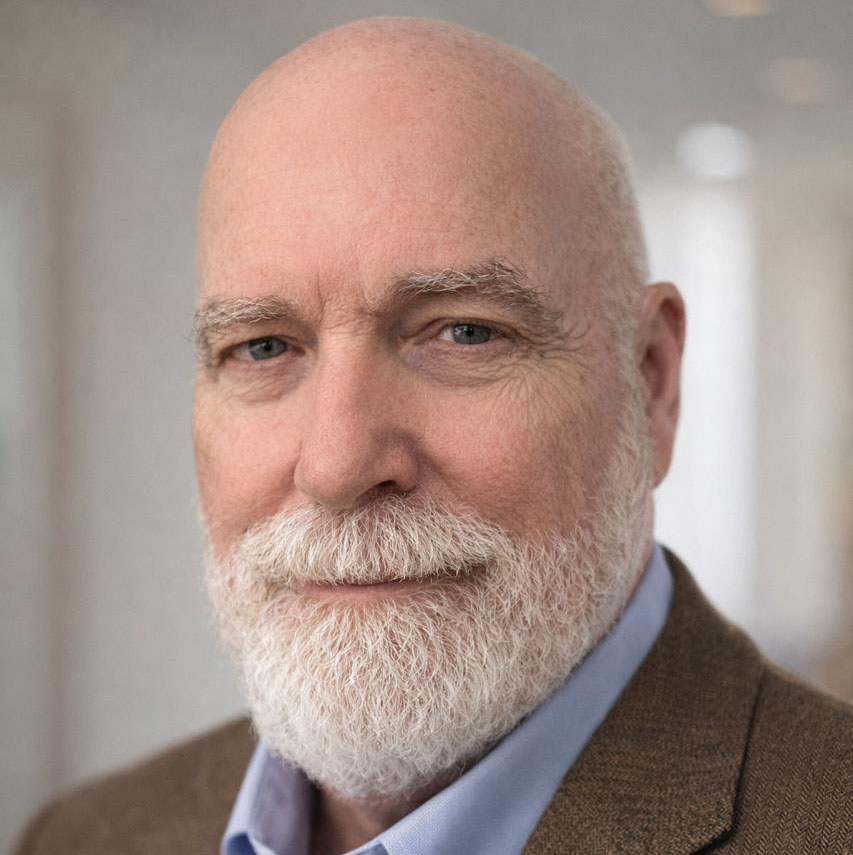
Grady O’Rear
Grady O’Rear brings longstanding expertise in sustainable development and design, construction, corporate management, workforce training, and professional credentialing. His work emphasizes practical education, cross-sector collaboration, and applied innovation to advance healthier, more resilient, and environmentally responsible approaches to the built environment.

Carla Brisotto
Dr. Carla Brisotto is an Assistant Professor of Urbanism at the School of Architecture at the University of Florida. Her research explores the intersection of environmental design, urban design, and community design in places under developmental pressures and perpetual disaster risks. Her outreach mission is to engage with the public in initiatives like CREATE to support people in their experience.

Heloisa Bredemann
Heloisa Bredemann brings solid experience in environmental engineering, sustainability consultancy, and impact entrepreneurship. Her work focuses on environmental impact and carbon assessments to support a circular economy and find sustainable options that reduce risks.